How life evolves to survive and thrive at thermal extremes
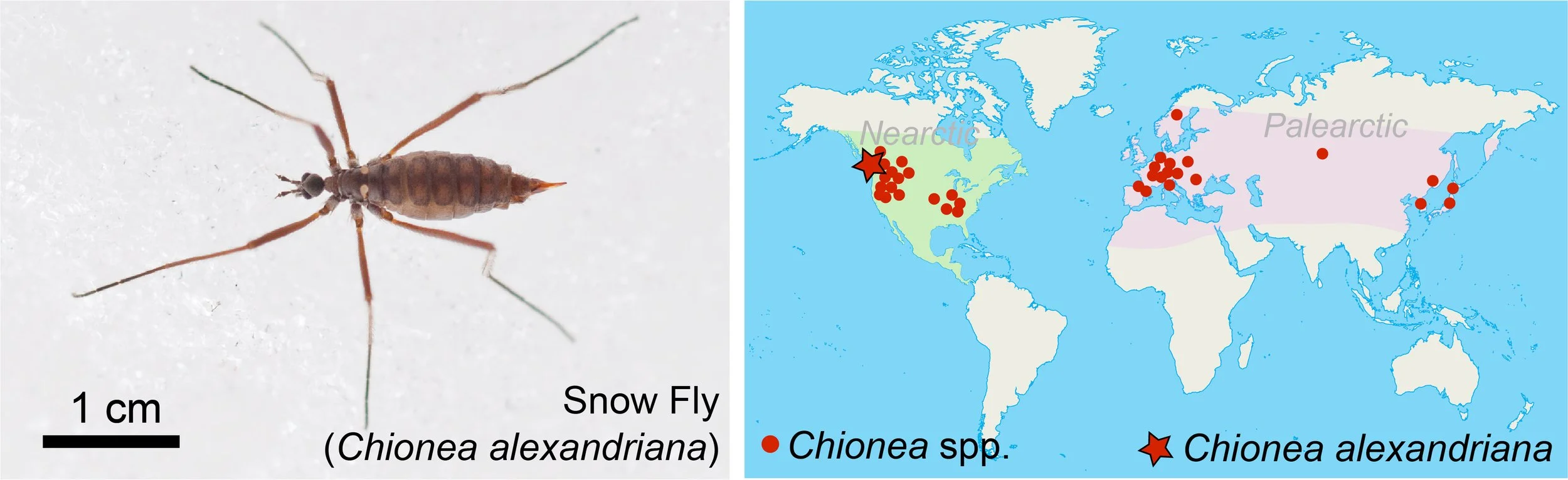
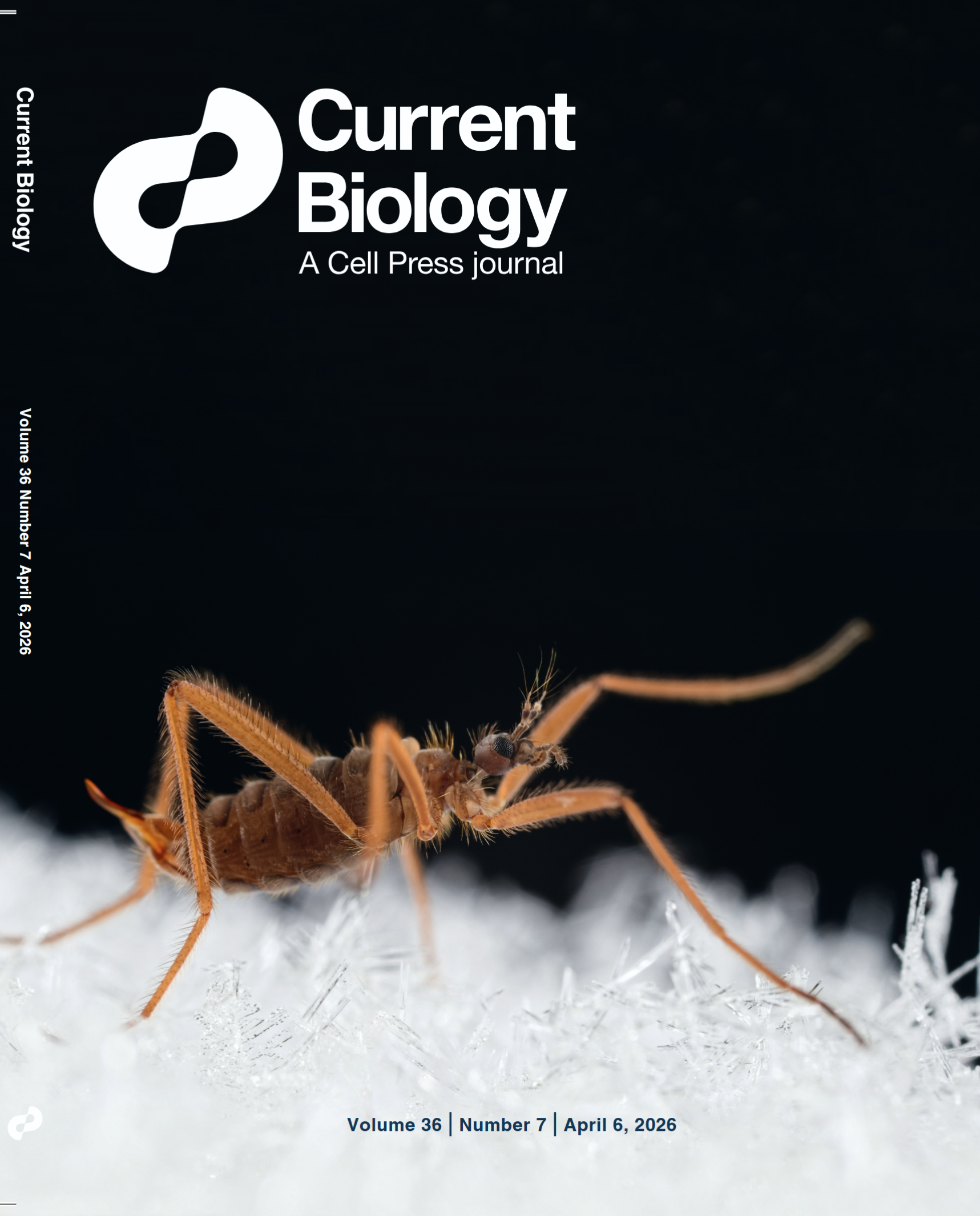
Despite being at the mercy of their external environment, some of the most impressive feats of adaptation to extreme temperatures are found in insects. We still have a lot to learn about the adaptations that allow insects to sustain activity at such dramatic thermal extremes, and more generally, to adapt to the diverse thermal environments they inhabit. The snow fly (belonging to the genus Chionea) is among the most remarkable cold-adapted insects. Emerging at the start of winter, they can be found wandering above the snow cover when conditions are between 0 and -6 °C.
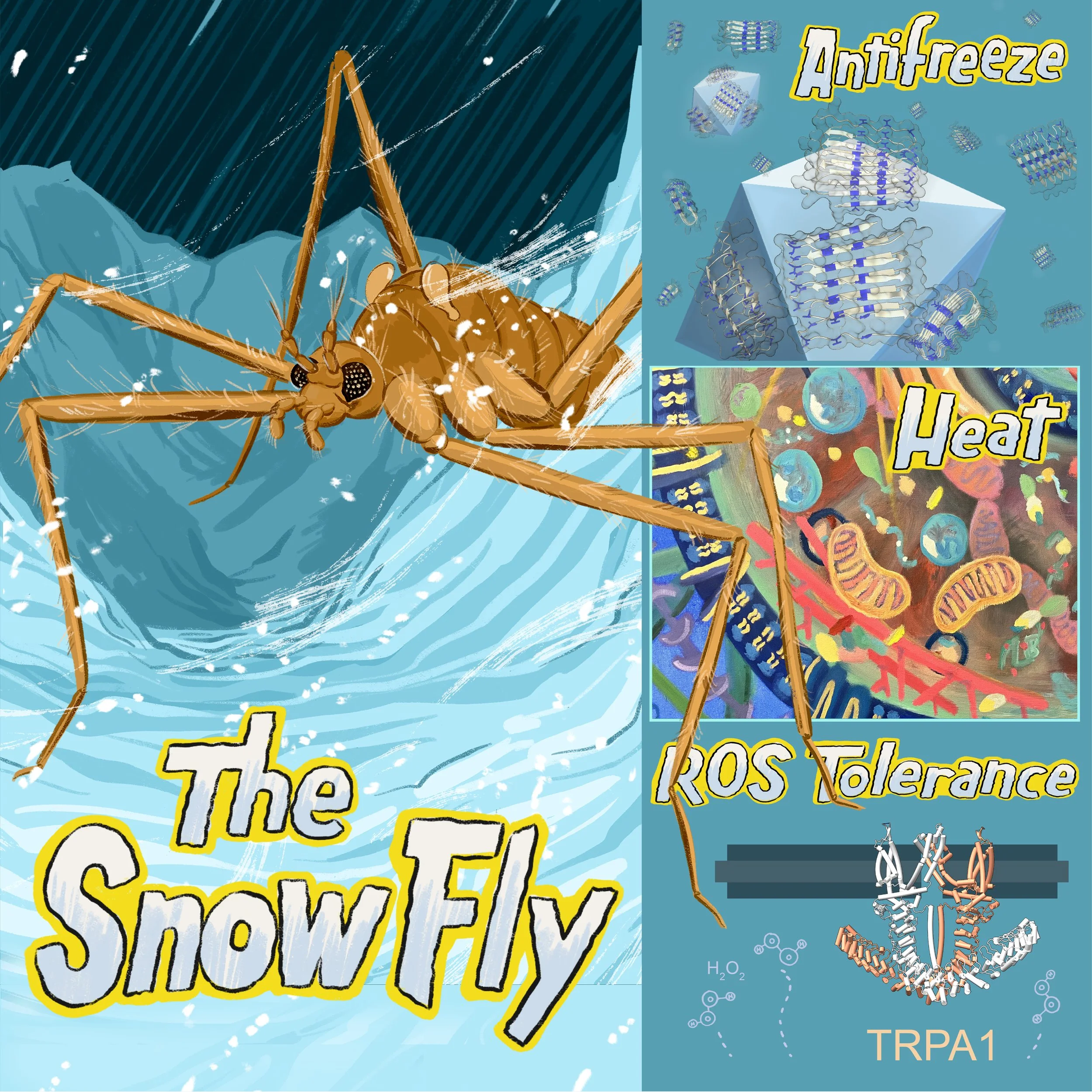
By investigating the repertoire of genes in the snow fly compared to non-cold-adapted flies, we uncovered molecular, physiological, and sensory strategies that allow certain animals to thrive in extreme cold. Amazingly, we found that snow flies can produce endogenous heat in response to rapid cold challenges, have specialized molecular changes in nociceptive pathways (via TRPA1) to cope with high oxidative stress, and produce antifreeze proteins that endow them with the ability to prevent freezing in sub-zero temperatures.
Importantly, in the current era of rapid human-induced climate change, this may be our final opportunity to uncover discoveries hidden within these unique organisms, as their habitats continue to erode due to climate change.

Hot on the trail of behavioral evolution
From harsh deserts to frozen mountaintops, animals have found a way to thrive in the many climatic niches found on our planet. As species adapt to new thermal environments, they have evolved molecular and physiological mechanisms for survival, but also changes in temperature and humidity preference that reflect the conditions of their new habitat. However, we know little about how animal behavior evolves, and how differences in temperature sensation underlie these behavioral adaptations.
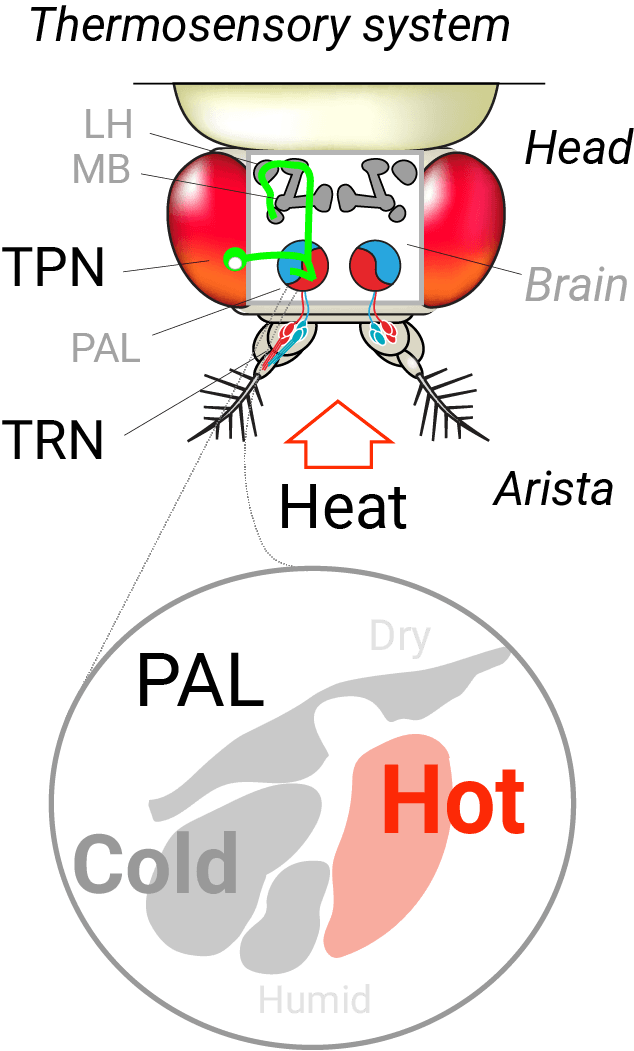
Insects rely on their thermosensory system to sense and respond to external temperature: an array of specialized sensory neurons equipped with molecular heat receptors that detect changes in external temperature and send signals to the brain, where this information is then processed to guide behavior.
In this research, we discovered that at least two distinct neurobiological mechanisms drive the evolution of temperature preference behavior in flies of the genus Drosophila. Fly species from mild climates (D. melanogaster and D. persimilis) avoid heat, and we show that changes in the sensitivity of their heat receptor adjust avoidance behavior to match the conditions of their natural habitats. By contrast, the desert-adapted fly D. mojavensis is actively attracted to heat, mediated by the same heat receptor. Instead, this attraction behavior is driven by specific changes in how heat signals are processed in the brain.
This work illustrates how changes in both sensory neurons and brain circuits can contribute to the insect's ability to adapt to different thermal habitats. Ultimately, my hope is that these findings may help us better understand and even predict how climate change will affect the distribution of insects and the many ecological systems that depend on them.